Why Saying It Twice Is Actually the Secret Sauce of Comedy
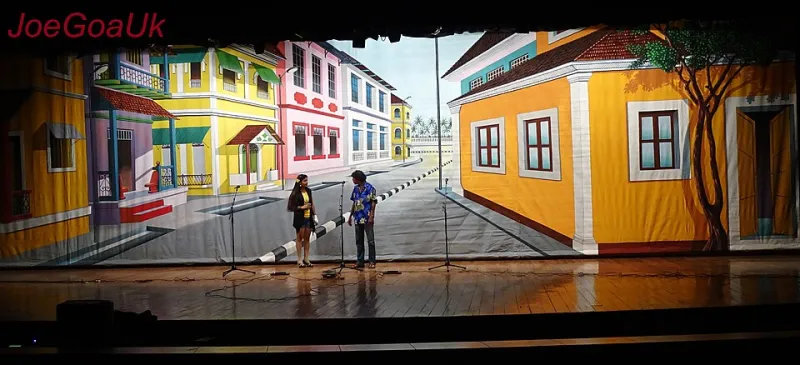
Photo: joegoauktiatr15, CC BY-SA 2.0, via Wikimedia Commons
If you've ever spent time on the internet — and considering you're here, we're going to assume you have — you've probably noticed something. The funniest stuff tends to repeat itself. A joke lands once, and then it lands again, and somehow the second time is even better. A comedian says a phrase in episode one, and by episode five the studio audience is already laughing before the punchline arrives.
This isn't a coincidence. It's not lazy writing. It's not even really a trick.
It's science. Kind of. And it's also the entire philosophical foundation of Ricko Ricko, a website whose name says the quiet part loud: twice is better. So let's get into it.
The Brain Loves a Pattern (Even When It's Weird)
Here's your quick neuroscience lesson for the day, delivered with the appropriate amount of irreverence: human brains are pattern-recognition machines. We are hardwired to notice when something repeats, and when it does, our brains fire off little pleasure signals because hey, we predicted that. We love being right. Even about something stupid.
Comedians figured this out long before neuroscientists did. When a joke or phrase repeats, the audience experiences a small jolt of recognition — and recognition, it turns out, is inherently pleasurable. The technical term for this in comedy is a "callback," and it's one of the oldest tools in the game.
A callback works by establishing something early in a set or a show, letting the audience forget about it (or at least stop consciously thinking about it), and then bringing it back at an unexpected moment. The laugh comes from two places simultaneously: the original joke and the delight of remembering it. You're essentially giving the audience two laughs for the price of one setup.
Twice the fun. You see where we're going with this.
Catchphrases: The Original Viral Content
Before TikTok. Before Twitter. Before the internet existed in any form that would be recognizable today, catchphrases were doing exactly what viral content does now: spreading, mutating, and embedding themselves into the cultural consciousness.
Think about it. "Norm!" from Cheers. "How you doin'?" from Friends. "That's what she said" from The Office. These aren't just funny lines — they're rituals. When Norm walks into the bar and the whole room shouts his name, the audience at home isn't just laughing at a joke. They're participating in a tradition. They're part of something.
That sense of community is one of the most underrated aspects of repetitive comedy. A shared catchphrase is essentially a secret handshake. If you know it, you're in the club. If you don't, someone's going to explain it to you, which is its own form of initiation.
Comedians like Dave Chappelle, who built entire specials around recurring characters and phrases, understood this deeply. When Chappelle returned to a bit, audiences didn't just laugh — they cheered, because the return of the phrase was an event in itself. The comedy was almost secondary to the feeling of collective recognition.
The Internet Took Repetition and Went Absolutely Feral With It
If traditional comedy used repetition as a seasoning, internet culture uses it as the entire meal.
Memes are, at their core, a repetition engine. A format gets established — a specific image, a specific phrase structure, a specific vibe — and then thousands of people repeat it with slight variations. The humor isn't always in the original meme. Often, it's in the iteration. The twentieth variation on a meme format can be funnier than the first because by then, the audience has internalized the pattern so completely that even small deviations from it become hilarious.
Take something like the "This is fine" dog meme. The original image is funny. But the reason it's been used approximately ten million times to describe everything from minor inconveniences to geopolitical crises is because repetition has given it a kind of weight. Every new use adds a layer. The joke is the meme, and also the history of the meme, and also the fact that we're all still using it.
This is, incidentally, why Ricko Ricko saying "Twice the Fun, Double the Ricko" works as a brand identity. It's a self-aware repetition loop. The name itself is the joke, and the joke gets funnier the more you sit with it.
Why "Rule of Three" Has a Hidden Repetition Trick
You've probably heard of the comedy rule of three: set up a pattern with two examples, then break it with a third. "I love dogs, cats, and tax audits." The third item is the punchline.
But here's what doesn't get discussed enough: the rule of three only works because of repetition. The first two items establish the pattern. The audience's brain registers it, anticipates a third similar item, and then gets surprised by the deviation. Without the repetition of the first two, there's no setup, and without the setup, there's no payoff.
Repetition isn't just a comedy technique — it's the foundation on which most comedy is built. Even subversion requires something to subvert.
Modern Creators Who've Mastered the Double
In the YouTube and podcast era, repetitive comedy has found new champions. Creators like Hasan Minhaj built entire narratives around recurring visual motifs and callbacks within single episodes. Podcasters like the My Favorite Murder hosts created community shorthand — phrases their audience repeats back to them at live shows — turning listeners into participants.
On TikTok, creators who establish a recurring bit or persona see dramatically higher engagement than those who reinvent themselves constantly. Audiences want the familiar. They want the thing they recognize. They want to feel like they're watching a friend who has an inside joke with them.
The algorithm, it turns out, rewards repetition for the same reason brains do: patterns feel good, and feeling good keeps people watching.
So What's the Actual Lesson Here?
Repetition in comedy isn't a crutch. It's not the lazy choice. When it's done with intention — when a callback lands at exactly the right moment, when a catchphrase becomes a rallying cry, when a recurring bit evolves just enough to stay fresh — it's one of the most sophisticated tools a comedian or creator can deploy.
It builds community. It rewards loyal audiences. It creates a shared language between performer and crowd that makes the whole experience feel less like entertainment and more like belonging.
And here at Ricko Ricko? We get it on a foundational level. The name is the bit. The bit is the brand. And the brand is the reason you're still reading.
Twice the fun. Double the Ricko.
See? Still funny.